
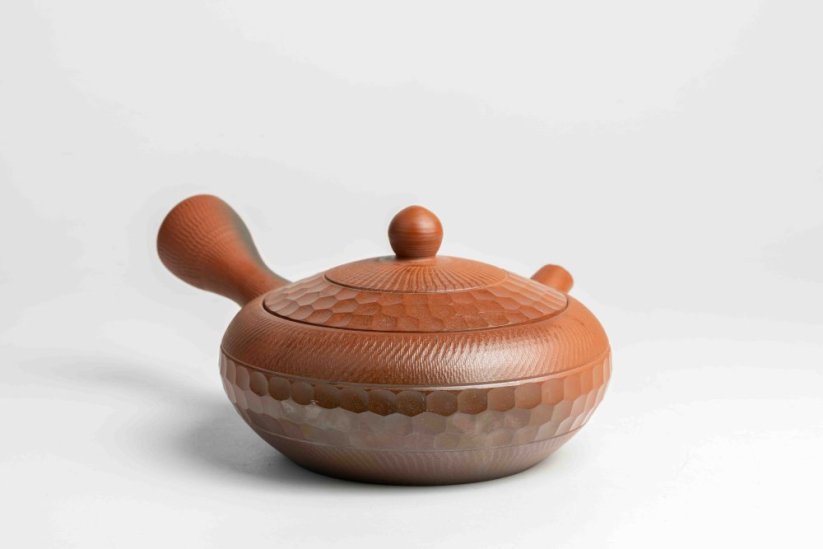
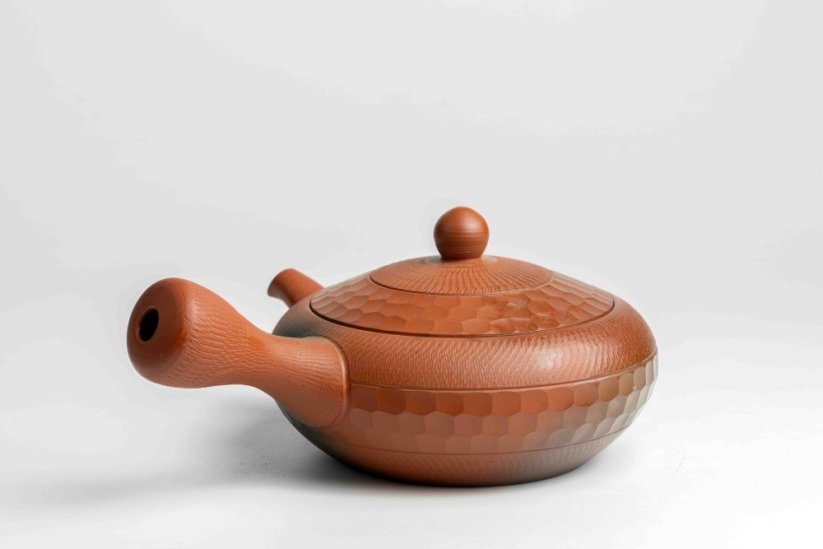
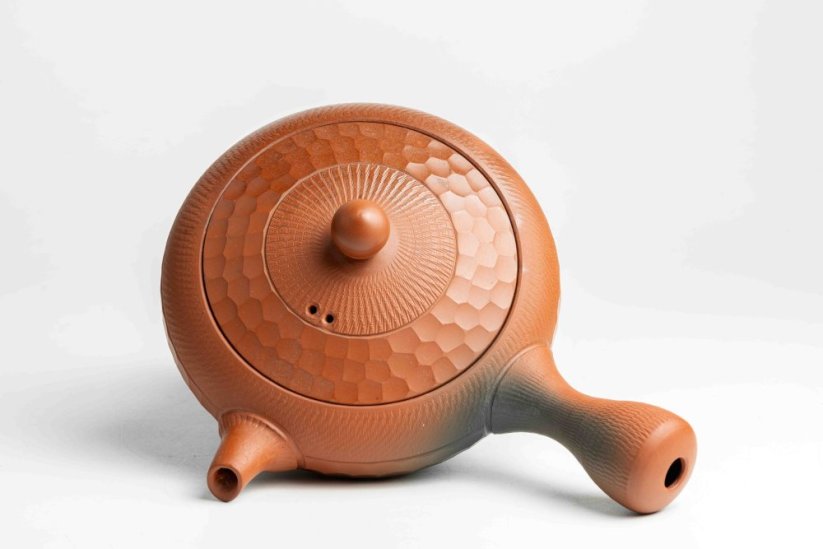
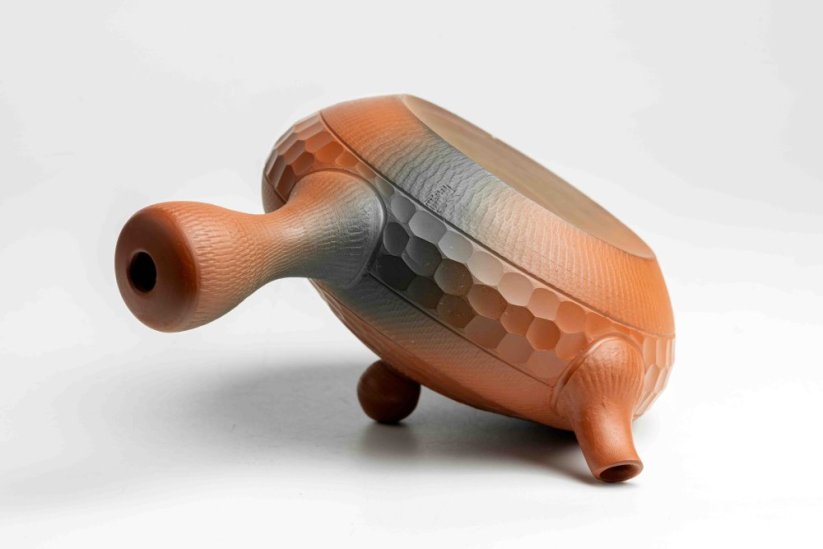
Mori Iroku III Diamond Cut Kyusu - 200ml


Mori Iroku III Diamond Cut Kyusu - 200ml
Mori Iroku III Diamond Cut Kyusu - 200ml
.
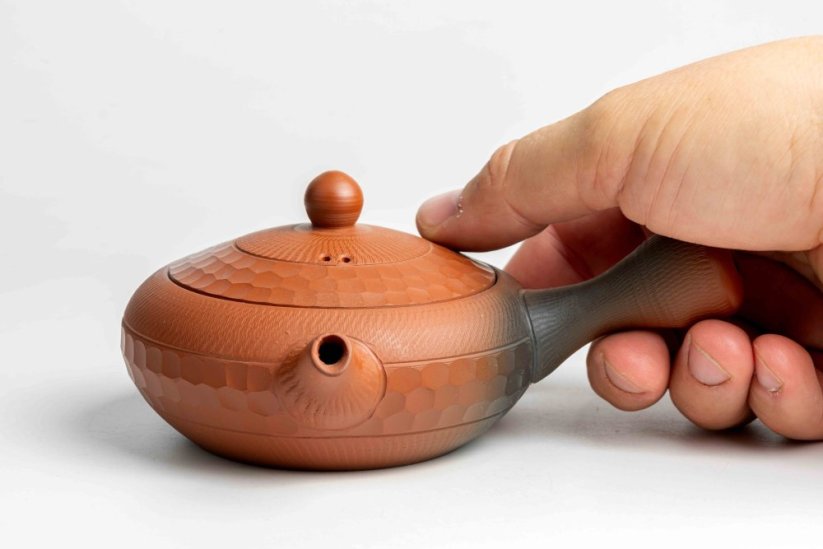
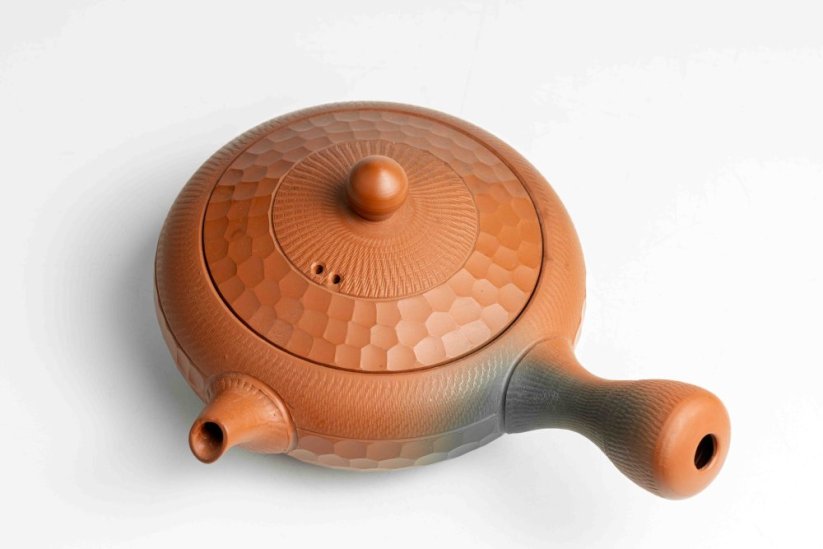
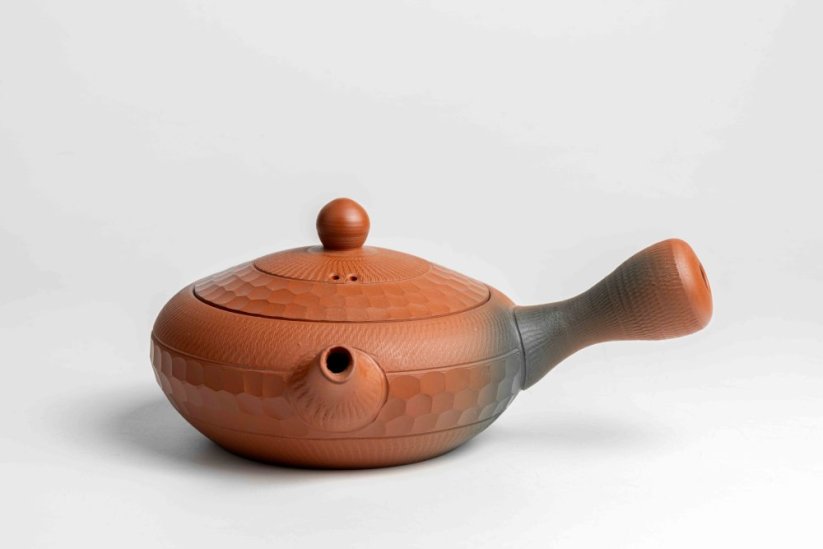
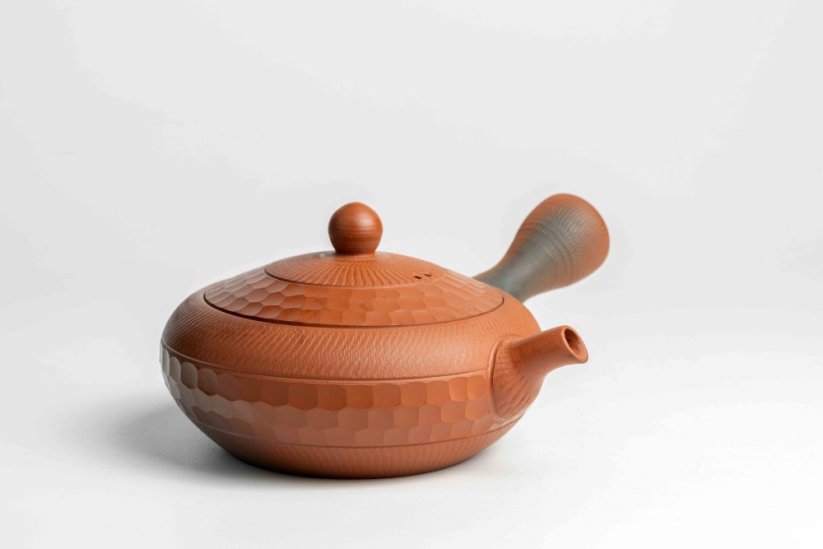
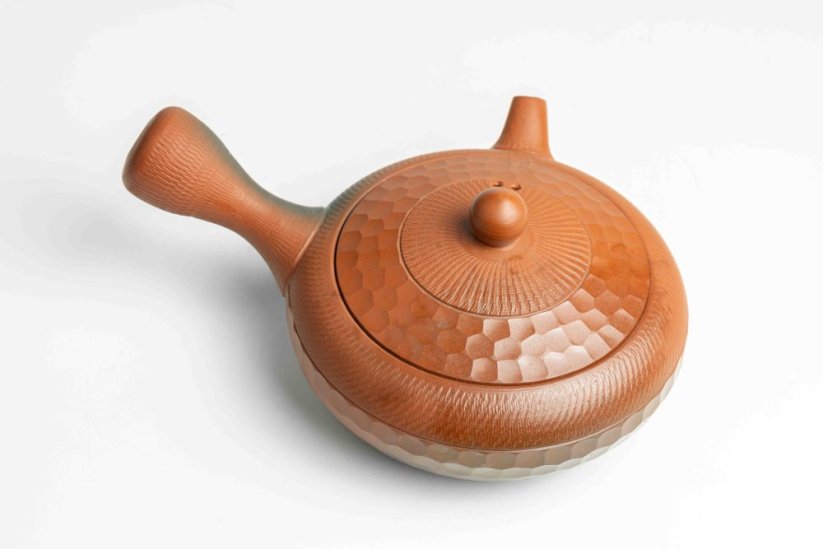
A collector's item, this Japanese Kyusu Banko teapot by master Mori Iroku III (1936-2014) is made from the renowned Banko shide (紫泥) clay, a dark brown clay with subtle purple tones. The high iron content in the clay suppresses the bitterness of green teas and enhances the desired flavor profile.
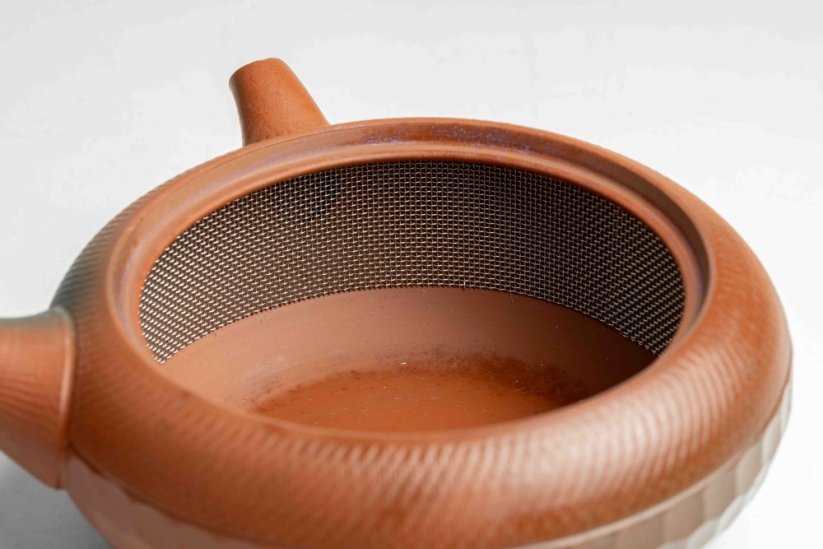
The teapot has a fine metal strainer, which is used, for example, for deeply steamed Fukamushi sencha, which tends to have smaller and more fragile leaves, and this filter catches even the finest particles.
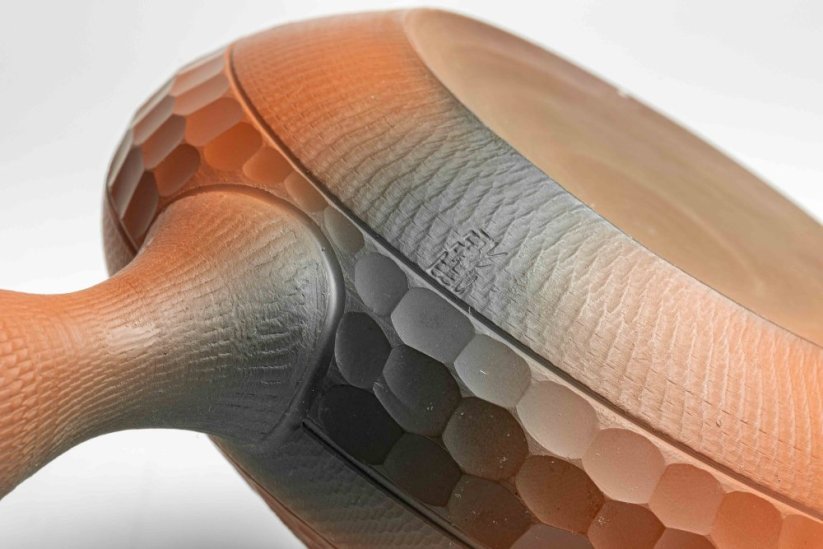
The master was born in 1936 and is no longer alive, but his successor is Mori san, born in 1963, who is the fourth generation to bear the name Iroku and has returned to the production of the so-called Diamond Cut. A true gem.
Each piece is original and there may be slight differences in the color of the clay, and of course it is not possible to achieve two identical cuts. However, they are all equally beautiful and unique.
About 260 years ago, in the middle of the Edo period, there lived a wealthy merchant named Nunami Rozan. Rozan had a deep knowledge of the traditional tea ceremony and was interested in the art of ceramics. With the wish that his creations would be passed down and used for eternity, he had the inscription "Banko Fueki," meaning "eternal permanence," stamped on his ceramic products, and from this the name banko ware was born. With Rozan's passing, the craft of producing these goods also disappeared. However, in the later stages of the Edo period, the craft of producing banko ware was revived.
Today's craft production of Yokkaichi Banko Ware is based on creations made at the beginning of the Meiji era, after thorough research into the techniques used during that period.
Between 80 and 90% of these earthenware goods are found in Japan. The difference between banko ware pots lies in the clay from which they are made. It has exceptionally good heat resistance and exhibits.
.
Before use: rinse the teapot in hot water and allow to dry completely before first use.
Maintenance: do not use detergents, dishwasher. Clean by hand, with clean water, without chemicals. Do not clean, clean with detergents. The teapot should be left to dry after each use. Ideally, specify the teapot for the specific type of tea for which it will always be used.